
The damage no one else is talking about.
This is the work that sets Climate & Green World Foundation apart.
What it is.
Across Nigeria, and especially in the Niger Delta, oil bunkering and illegal artisanal refining are quietly poisoning soils, rivers, mangroves, and air at a scale most environmental conversations refuse to confront. Add bush burning and unregulated charcoal production, and you have a set of practices that is undoing forest restoration faster than any planting program can keep up with.
We engage directly with this reality. Our work in this program is not extractive enforcement - we are not police. We are educators, partners, and advocates. We sit with farmers and community members. We explain what bush burning does to topsoil, what charcoal kilns do to forest cover, and what illegal refining does to water and lung health. We work with government and security stakeholders on the policy side. And we offer concrete alternatives wherever we can.
Key activities.
Our approach
Government & Institutional Partners
This program requires institutional partners. If your agency works in the Niger Delta or Sahel, we want to talk.
Start a conversation →WE FIGHT AGAINST: Bunkering, Charcoal production and Deforestation
There's Marine Bunkering, which is stealing oil by ships. This is being dealt with by security companies like Tantita. We are concerned with "Local Bunkering" often referred to as illegal crude theft and its attendant Artisanal Refining.
People tap into oil pipelines or Well heads, siphone crude oil, move it through creeks in boats or barges, sell the crude to those who refine it locally into diesel, kerosene and petrol in makeshift refineries.
.jpeg)
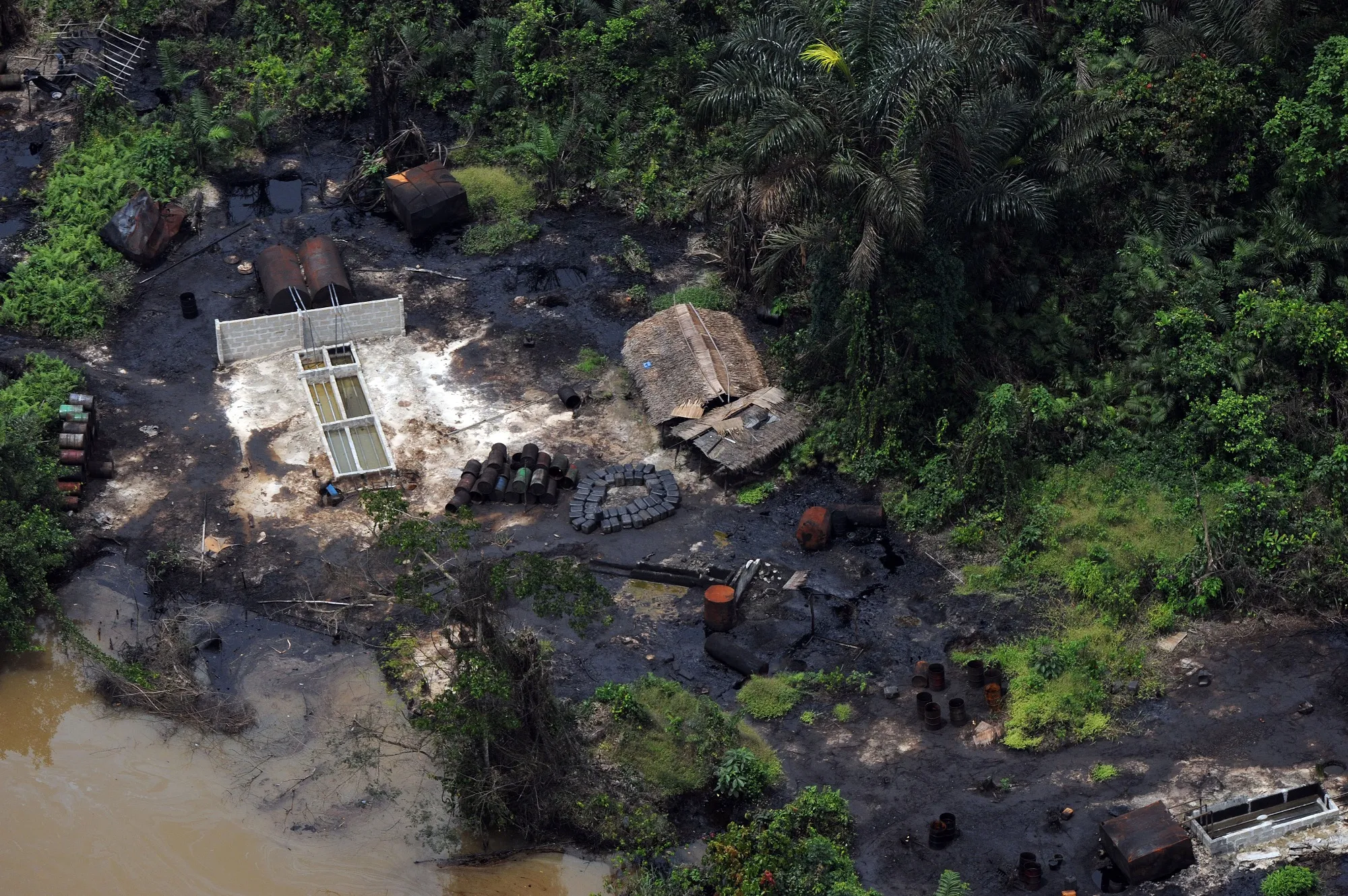
This is widespread in the Niger Delta and oil producing states due to poverty, unemployment, environmental damage, weak governance and conflict around oil wealth distribution.
Operations often involve networks of local youths, transporters, traders, armed groups and sometimes corrupt officials or security personnel.
The production process, which involves Bush or Kpofire refining of crude in makeshift ovens and drums, lacks safety standards and is very dangerous. Illegal refinery camps frequently cause explosions, oil spills, rivers, and health problems within the surrounding communities.
.jpeg)
.jpeg)
.png)
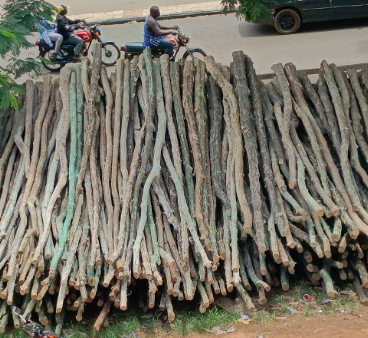
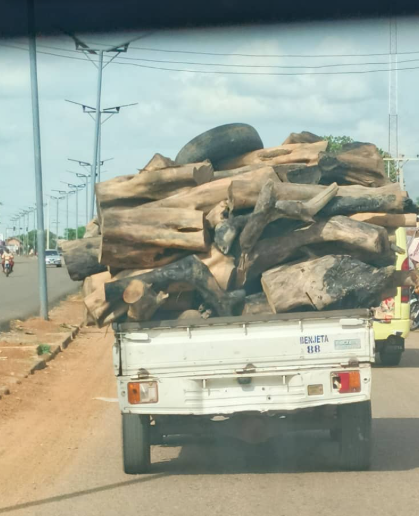
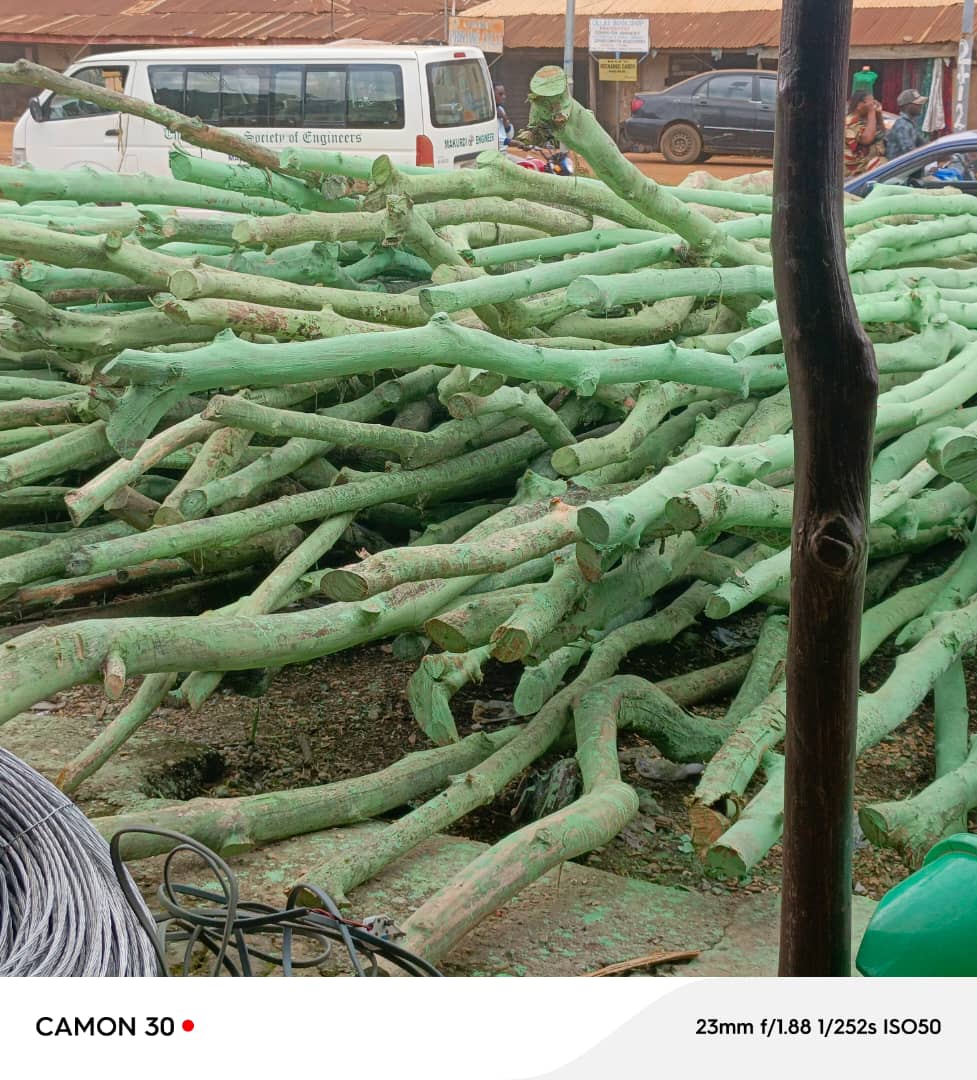
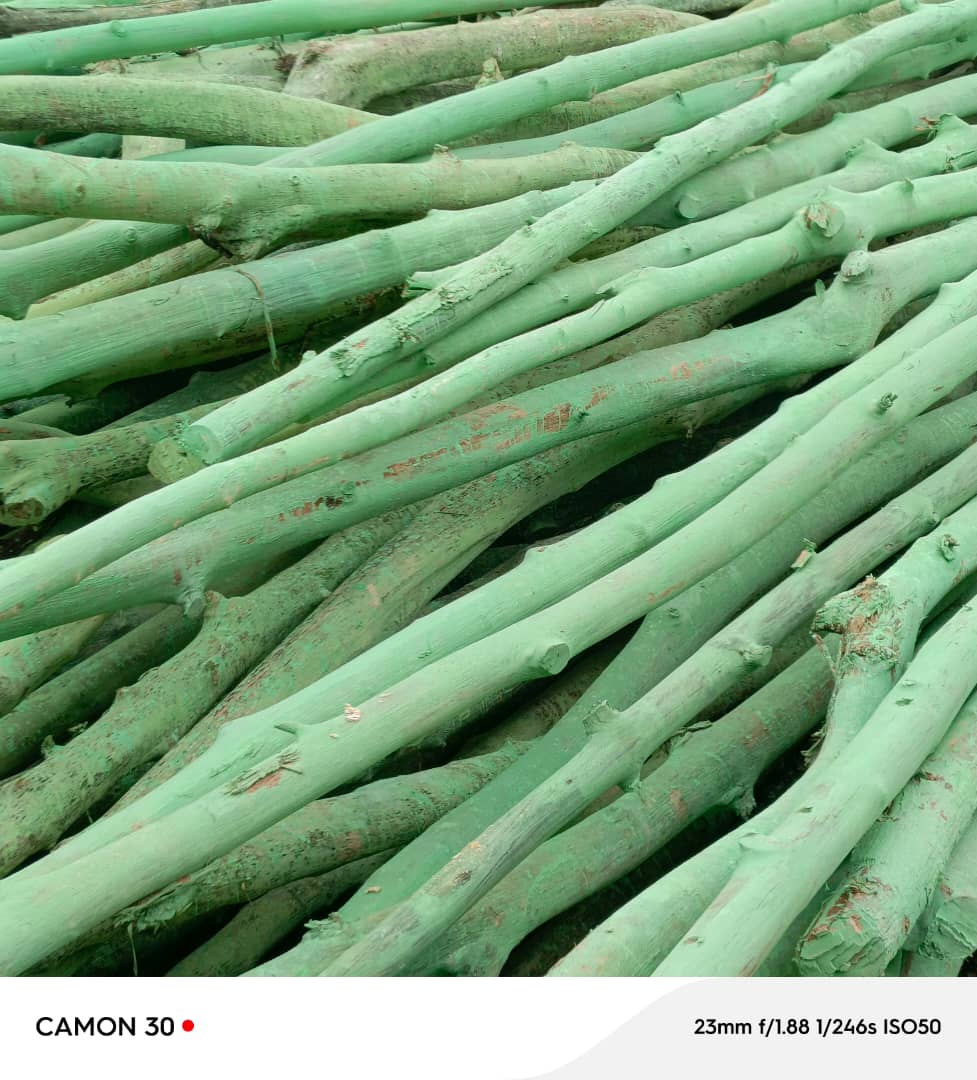
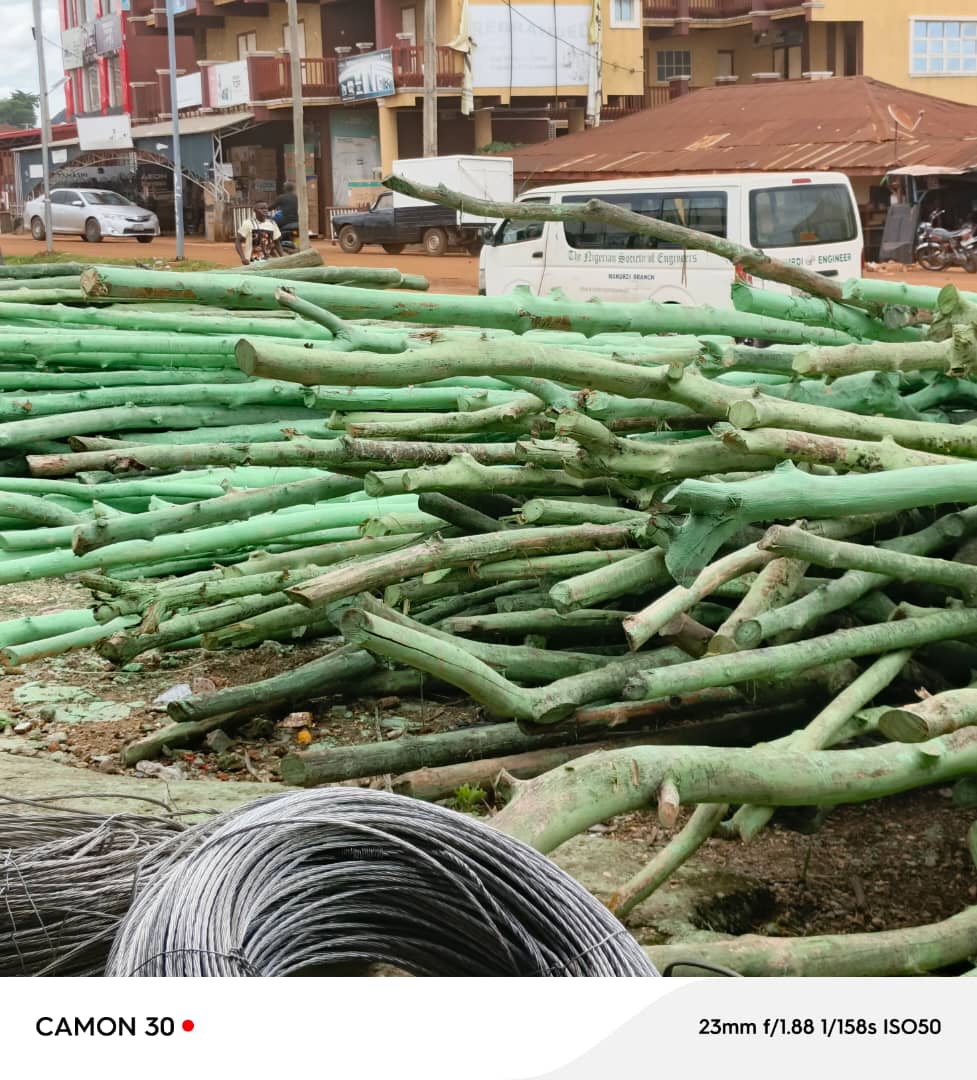
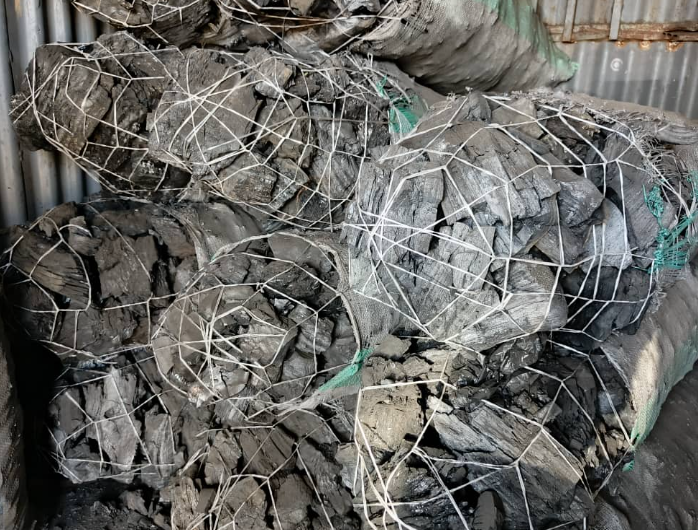
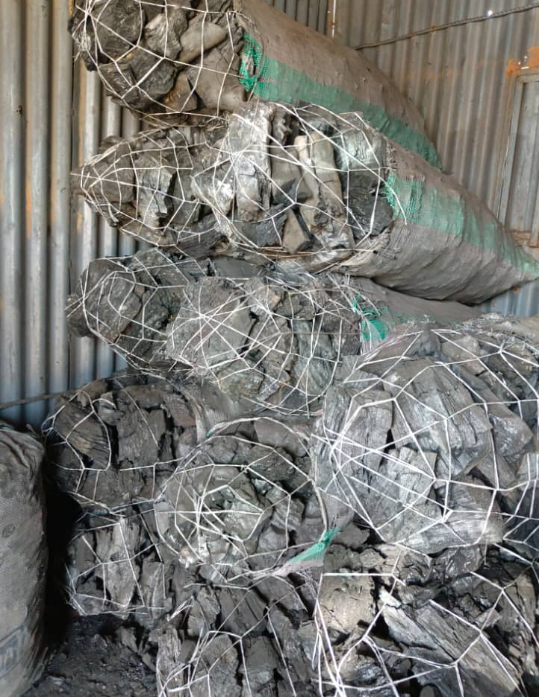
THE ENVIRONMENTAL CONSEQUENCES.
- *Deforestation: large numbers of trees are cut down for cooking crude, especially mangroves in creek areas.
- *Loss of biodiversity, birds, fish nurseries and wetland species lose habitat.
- *Erosion: Mangroves that normally stabilise river banks and protect against flooding are destroyed.
- * Air Pollution, burning of crude and wood together, releases thick smoke and soot
- * Carbon emissions, both from the cooking of crude and the burning of wood, increase greenhouse gases.
- * Ecological Damage, spills and dumping of waste oil destroy vegetation, farmland, and aquatic life
Climate and Green World is responding through
Awareness
Working with the chiefs and communities on the link between livelihood and long term survival.
Alternative Livelihood and Restoration
Promoting clean energy, sustainable farming, and leading tree planting campaigns to restore what has been lost.
Advocacy
Pushing for enforcement and government action.