Rooted in Africa.
Growing a Greener World.
We restore degraded landscapes, defend ecosystems from pollution, and equip communities to thrive in a changing climate - starting in Nigeria and the Sahel, and growing outward.
600
Trees Planted
1 ha
Under Restoration
10
People Employed
2025
Founded
Scroll
Foundation year progress.
Honest numbers. Every tree we report is a tree in the ground. Every person is on our payroll. This is where we start.
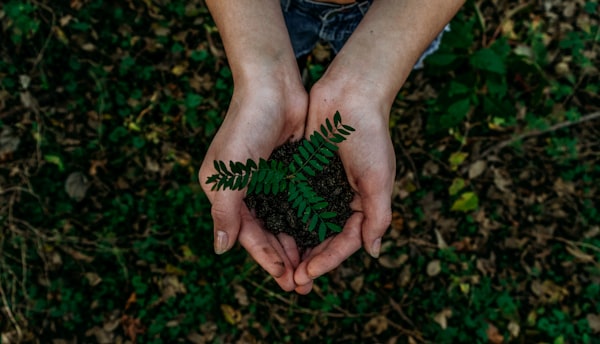
Trees Planted
Native species in active restoration sites
Communities Engaged
Communities co-designing our programs
Awareness Campaign
Under active management and monitoring
People Employed
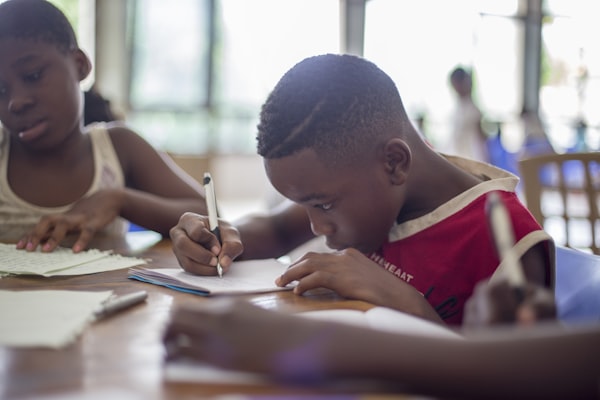
Ecologists, field staff & community organizers
We are in our foundation year. These are the numbers we have actually delivered - and the curve our partners are helping us climb.
A foundation dedicated to turning climate awareness into climate action.
Climate Change is no longer a distant forecast. It's the shrinking harvest in the sahel, the polluted rivers in the Niger Delta, the burning heat in various houses and classrooms where our children are learning about a future their ecosystem may not support.
Climate and Green world foundation exists to address these realities.
We plant trees, We restore degraded lands and engage with communities, artisanal and farmers on the negative impacts of bush burning, charcoal production, crude and illegal refining of petroleum called (Oil bunkering) on our environment.
Our founder spent years working as a lone voice in the wilderness on these issues, before Formalizing the foundation in 2026.
Indeed, the vision is getting bigger, the numbers are growing larger and the enthusiasm is so palpable.
.jpeg)
"The institution is new; the conviction is not."
- Dr. Ike Anosike, Founder
Three pillars. One mission.
Restoring what was lost. Defending what remains.
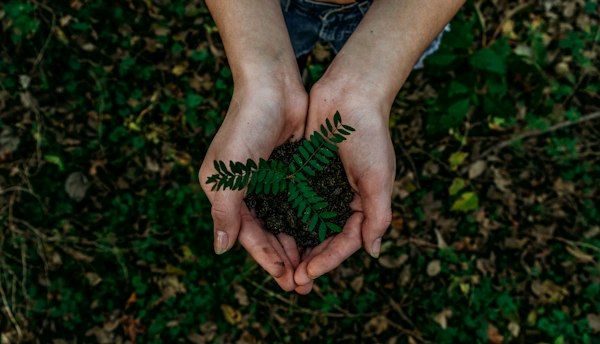
Across Nigeria and the Sahel, decades of deforestation, oil pollution, illegal refining, and overgrazing have hollowed out landscapes that once supported abundant life. We work with communities, government agencies, and global partners to bring them back through tree-planting, urban greening, soil regeneration, and active defense against ongoing damage.
Explore our land work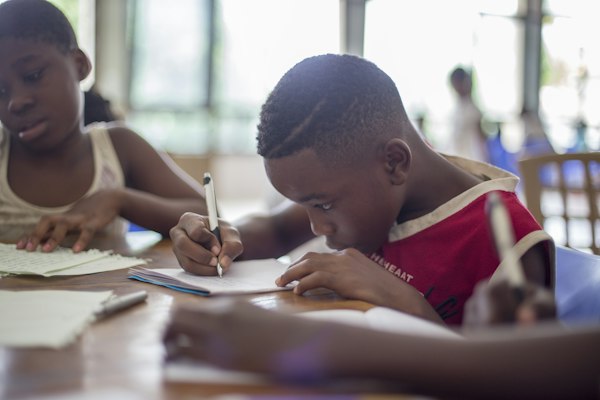
Communities at the center.
Environmental work that ignores people fails. We invest in the women, men, farmers, and young people who live on the land through climate education, awareness sensitization, and dialogue that take local livelihoods seriously - even when the conversation is difficult.
Explore our community work
Action that cools the planet and holds the line.
Every tree we plant, every hectare we restore, every farmer we move away from forest-burning practices is climate action that can be measured. We report what we do, what works, and what does not - because climate work without honesty is just marketing.
Explore our climate workWhy us?
Six reasons why Climate & Green World Foundation is the partner serious climate actors are looking for.
African-rooted, globally networked.
Our work is in Nigeria and the Sahel. Our partnerships extend across borders to anyone serious about climate action.
The pollution others overlook.
We are one of the few foundations engaging directly with the ecological damage of oil bunkering and illegal artisanal refining.
Community-first.
No project begins without the buy-in of the people who will live with it for the next fifty years.
Founder-led, mission-built.
Dr. Ike Anosike spent years on this work before the Foundation existed. The institution is new; the conviction is not.
Transparent.
We publish what worked, what didn't, and what it cost.
Ambitious but honest.
We promise only what we can deliver, and we deliver on our promises.
The work, in pictures and video.
Drag to explore. Real documentation from bunkering sites and restoration work in Nigeria.
.png)
Documented bunkering and environmental impact, Niger Delta
.jpeg)
Documented bunkering and environmental impact, Niger Delta
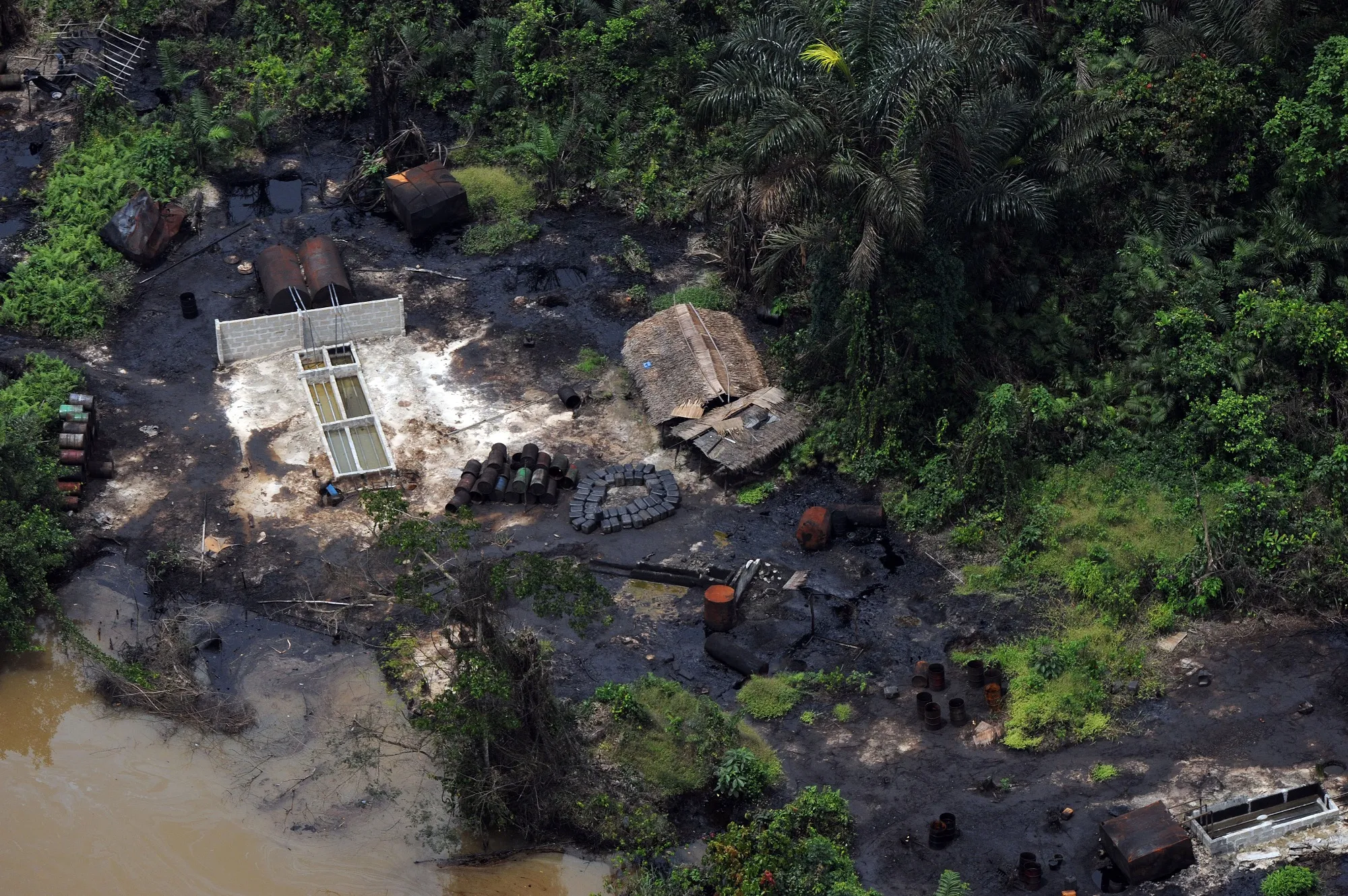
Documented bunkering and environmental impact, Niger Delta
.jpeg)
Documented bunkering and environmental impact, Niger Delta
Documented bunkering and environmental impact, Niger Delta
Field documentation from affected communities
Field documentation from affected communities
Field documentation from affected communities
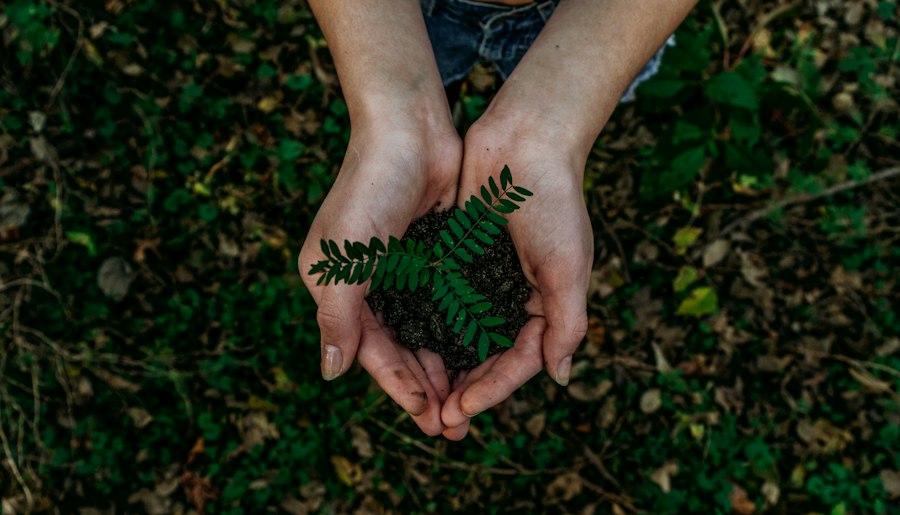
Native species planting, Nigeria
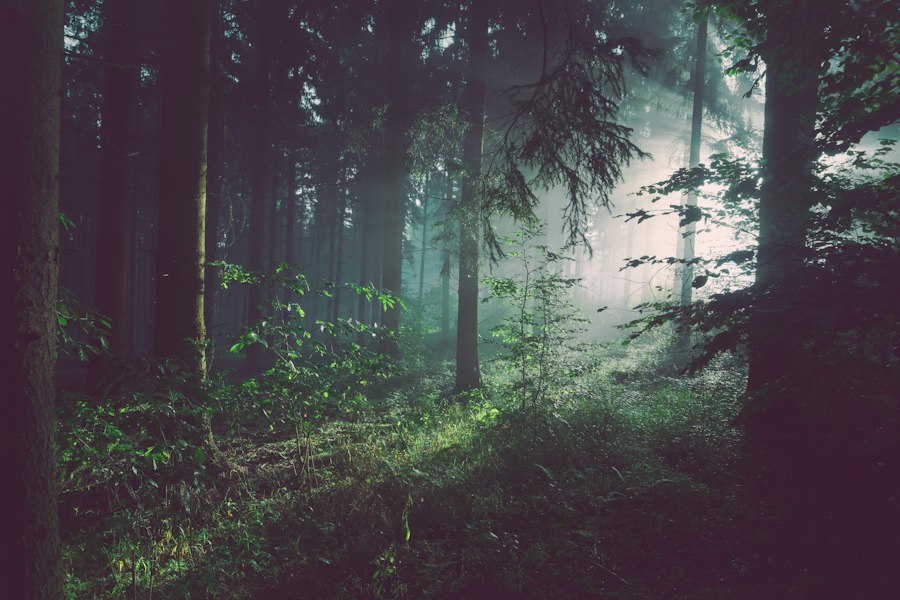
Forest canopy, Niger Delta region
Documented bunkering and environmental impact, Niger Delta
Documented bunkering and environmental impact, Niger Delta
Documented bunkering and environmental impact, Niger Delta
Documented bunkering and environmental impact, Niger Delta
Documented bunkering and environmental impact, Niger Delta
Field documentation from affected communities
Field documentation from affected communities
Field documentation from affected communities
Native species planting, Nigeria
Forest canopy, Niger Delta region
Loading map…
On the ground where it counts.
Our programs operate across two of Africa's most ecologically pressured regions:
Nigeria
Where decades of oil extraction, illegal refining, urban expansion, and deforestation have left landscapes in urgent need of repair.
The Sahel
Where desertification, climate-driven drought, and shifting agricultural patterns are hollowing out the land that millions depend on.
We choose project sites based on three things: the scale of the need, the strength of local leadership, and our ability to deliver measurable change.
See all our programsFrom the field.
Field UpdatesSix Hundred Trees in the Ground: What Our First Planting Season Taught Us
We planted 600 trees across one hectare of degraded land in our foundation year. Here is what went right, what went wrong, and what we are doing differently in season two.
 Founder's Notes
What Bush Burning Does to Topsoil: A Conversation with Our Field Teams
The damage from a single season of bush burning can take years to reverse. Our ecologists explain what happens under the surface and why sensitization is as important as planting.
 Research & Learning
Urban Trees in Lagos: Why City Greening is Climate Action
Africa's fastest-growing cities are losing green cover just as they need it most. We make the case for urban greening as a serious climate intervention, not just beautification.
In good company.
We work alongside government agencies, international stakeholders, businesses, and grassroots organizations that share our commitment to measurable, locally-led climate action.

The Foundation is registered with Nigeria's Corporate Affairs Commission (CAC) and welcomes serious partners across all sectors. Partner logos displayed as partnerships are formalized.
Become a partnerThe land is ready. The time is now.
Whether you are a corporation looking to meet credible sustainability goals, a government agency seeking a delivery partner, or an individual who simply wants to help - there is a place for you here.