We Engage.
We Restore.
We Regrow.
We Monitor.
We Measure.
Anyone can plant a tree. Making sure that tree is still alive in ten years, that the soil it sits in is healthier than it was, that the community around it benefits, and that the activities killing the surrounding ecosystem are being addressed in parallel - that is the work.
Climate & Green World Foundation runs four interlocking programs across Nigeria and the Sahel. Each one is designed to keep delivering benefit long after our direct involvement ends.
WE FIGHT AGAINST: Bunkering, Charcoal production and Deforestation
There's Marine Bunkering, which is stealing oil by ships. This is being dealt with by security companies like Tantita. We are concerned with "Local Bunkering" often referred to as illegal crude theft and its attendant Artisanal Refining.
People tap into oil pipelines or Well heads, siphone crude oil, move it through creeks in boats or barges, sell the crude to those who refine it locally into diesel, kerosene and petrol in makeshift refineries.
.jpeg)
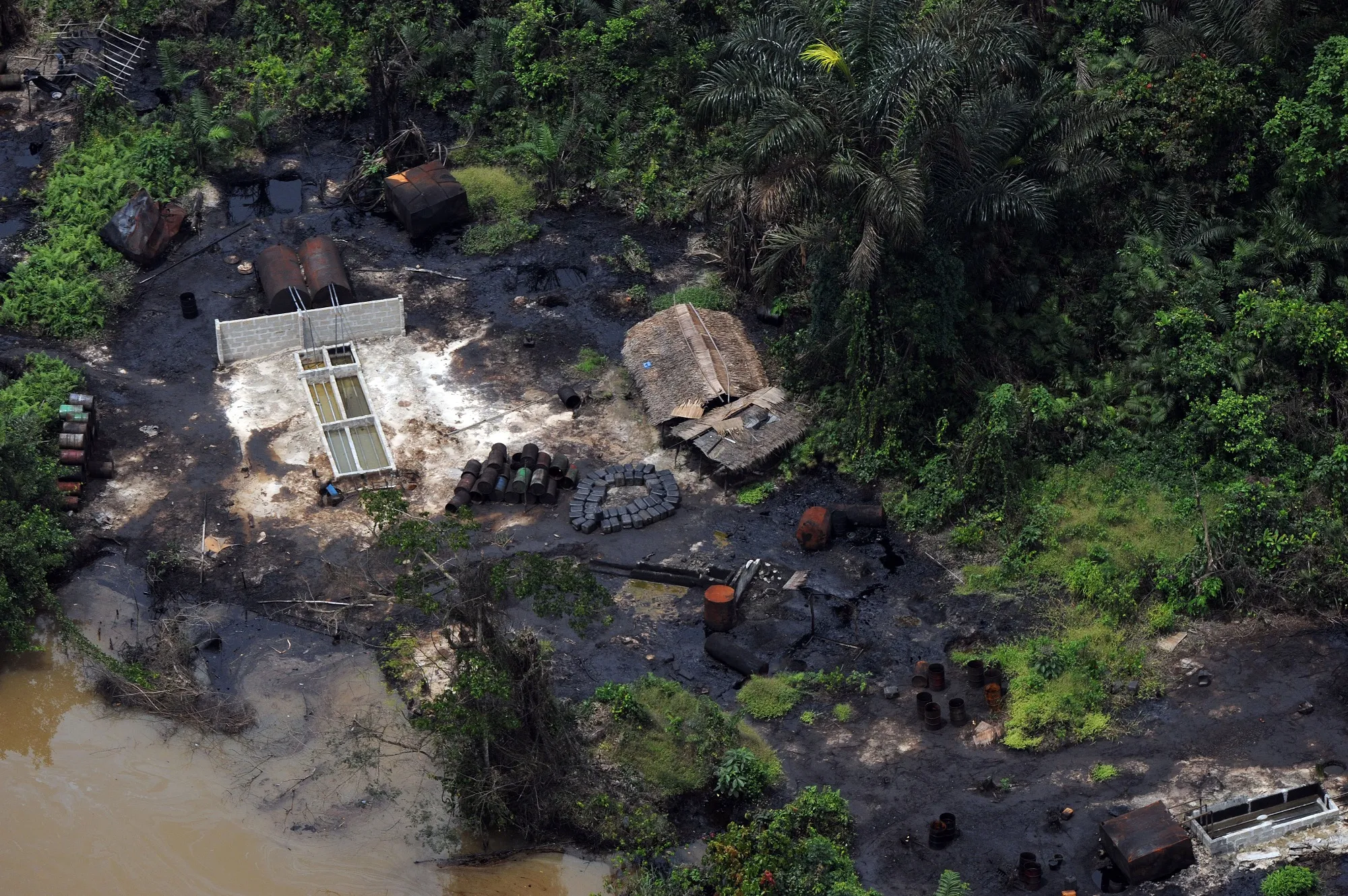
This is widespread in the Niger Delta and oil producing states due to poverty, unemployment, environmental damage, weak governance and conflict around oil wealth distribution.
Operations often involve networks of local youths, transporters, traders, armed groups and sometimes corrupt officials or security personnel.
The production process, which involves Bush or Kpofire refining of crude in makeshift ovens and drums, lacks safety standards and is very dangerous. Illegal refinery camps frequently cause explosions, oil spills, rivers, and health problems within the surrounding communities.
.jpeg)
.jpeg)
.png)
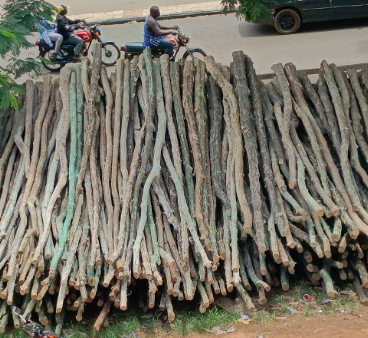
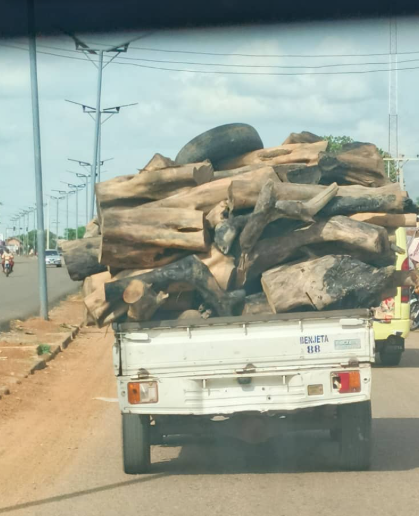
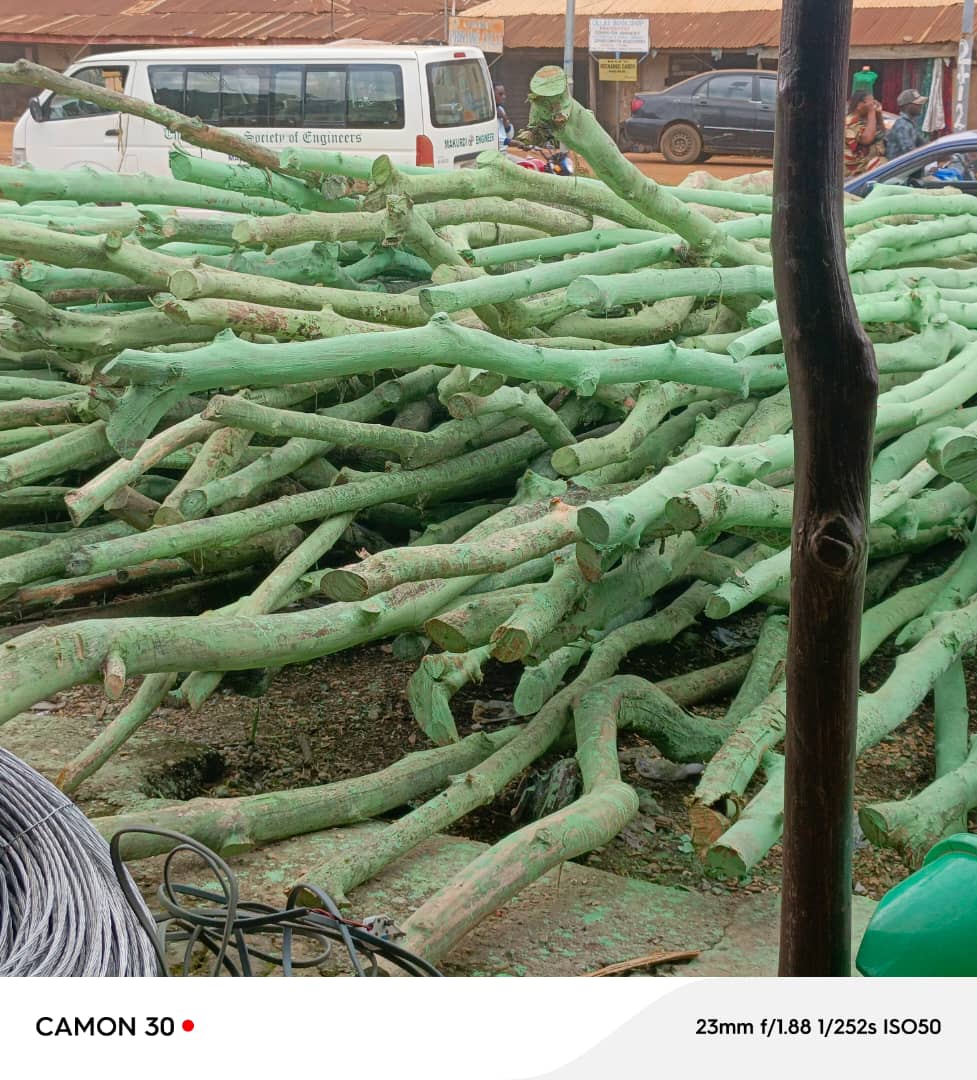
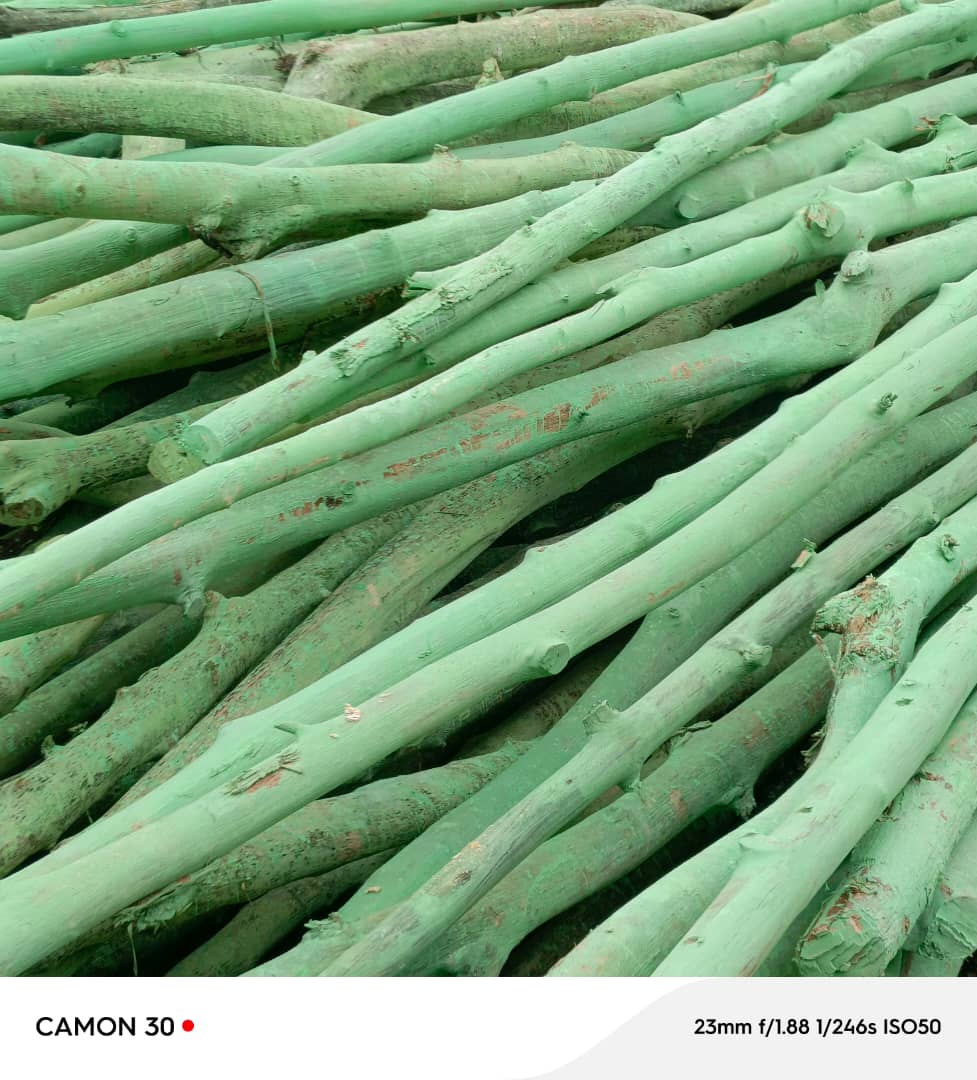
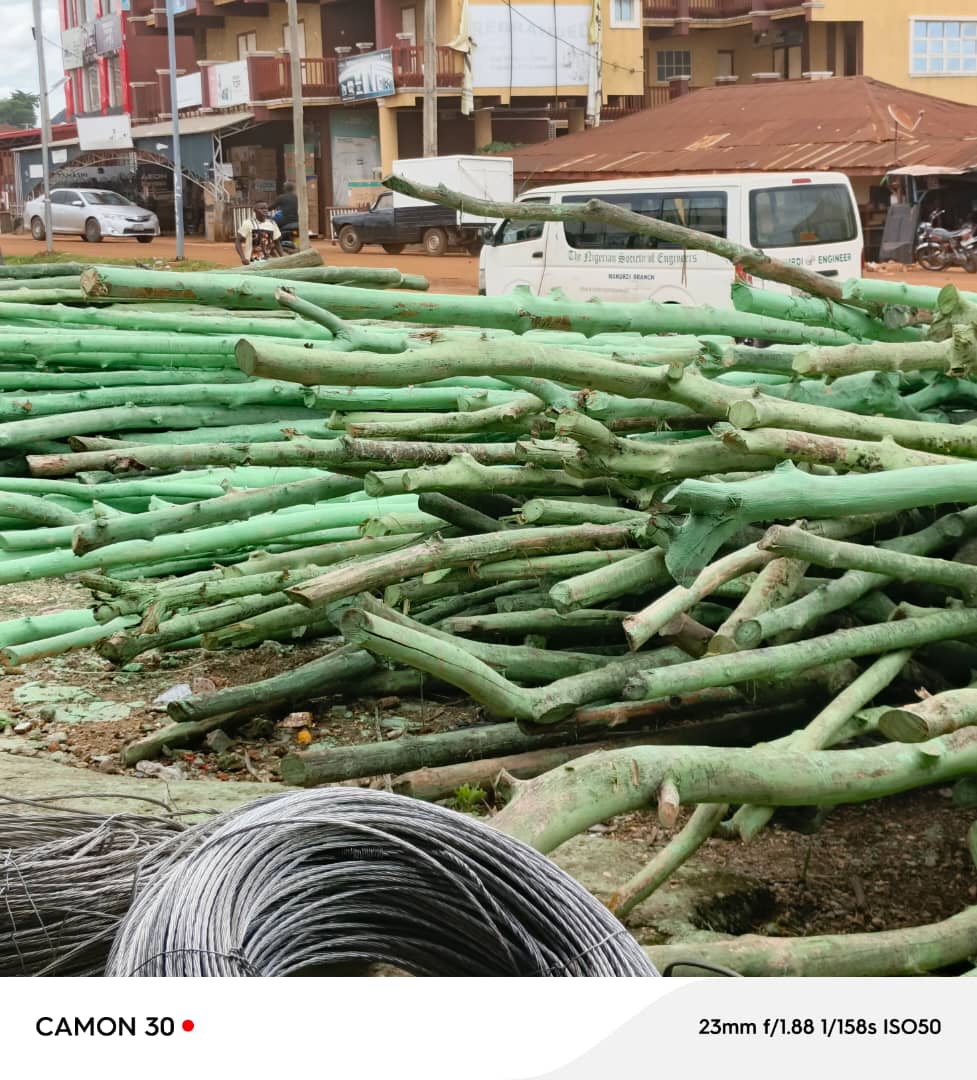
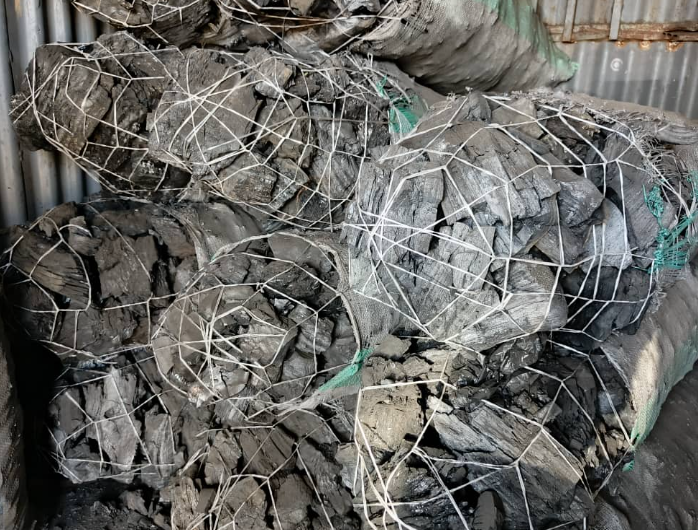
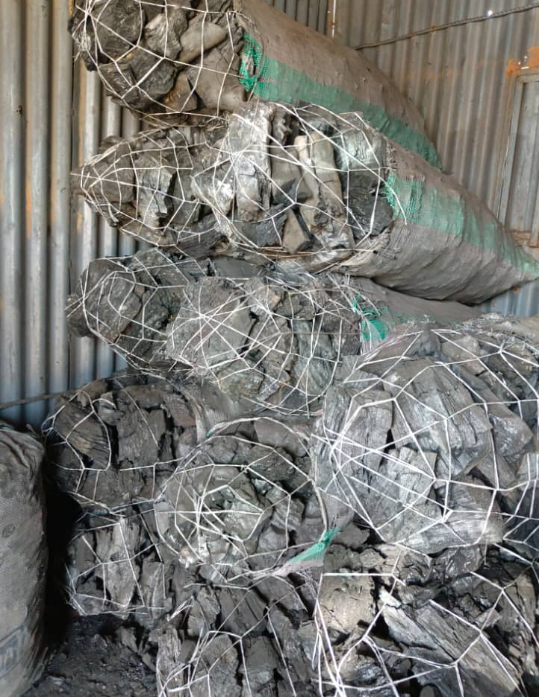
THE ENVIRONMENTAL CONSEQUENCES.
- *Deforestation: large numbers of trees are cut down for cooking crude, especially mangroves in creek areas.
- *Loss of biodiversity, birds, fish nurseries and wetland species lose habitat.
- *Erosion: Mangroves that normally stabilise river banks and protect against flooding are destroyed.
- * Air Pollution, burning of crude and wood together, releases thick smoke and soot
- * Carbon emissions, both from the cooking of crude and the burning of wood, increase greenhouse gases.
- * Ecological Damage, spills and dumping of waste oil destroy vegetation, farmland, and aquatic life
Climate and Green World is responding through
Awareness
Working with the chiefs and communities on the link between livelihood and long term survival.
Alternative Livelihood and Restoration
Promoting clean energy, sustainable farming, and leading tree planting campaigns to restore what has been lost.
Advocacy
Pushing for enforcement and government action.
Five principles that shape every project.
 01
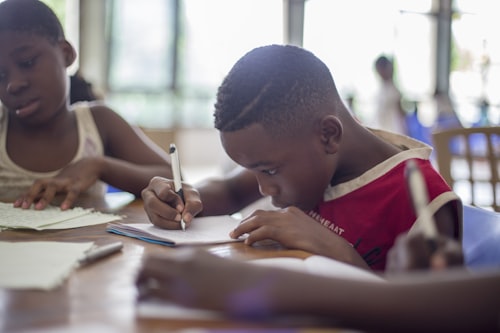
01Community before planting.
We do not break ground on a project until the community that will live with it has co-designed it, agreed to it, and taken ownership of it. Top-down projects fail; we have seen it, and we will not repeat it.
 02
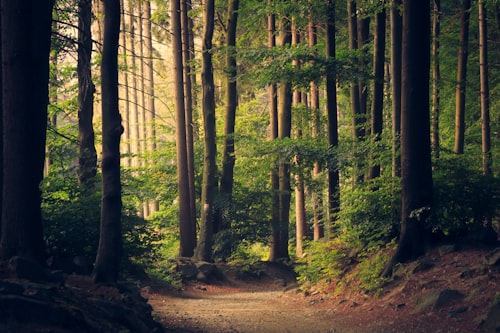
02The right tree in the right place.
Monoculture plantations are not forests. We plant native species in native configurations, guided by local ecology and traditional knowledge.
 03
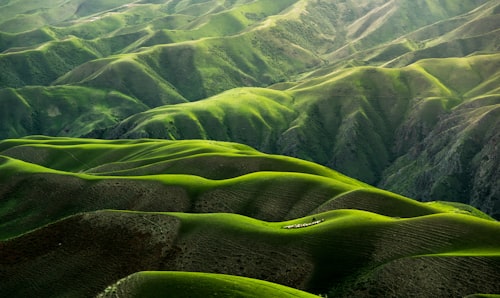
03Restoration is bigger than reforestation.
Forests are only one kind of landscape. We also restore farmland, urban green spaces, and the ecosystems being eroded by petroleum pollution and unsafe land-use practices.
 04
04The conversation matters as much as the planting.
Bush burning, charcoal production, and oil bunkering are not abstractions - they are decisions made by real people under real economic pressure. Sensitization - done with respect, not lecture - is core to our work.
 05
05Measured in decades, not seasons.
Our minimum project horizon is ten years. Anything shorter is landscaping.
What gets measured gets managed.
We track every project against a common set of indicators and report on them annually. Our framework is built on FAO methodology, IPCC guidance, and AFR100 reporting protocols.
Tree & Biomass Growth
Survival rates, canopy development, above-ground biomass
Carbon Impact
Tonnes of CO₂eq drawn down or avoided, against baselines
Biodiversity Return
Species presence surveys, wildlife monitoring, habitat quality
Soil & Water Health
Soil organic carbon, water table recovery, erosion reduction
Community Outcomes
Household incomes, sensitization reach, women in leadership
Program Integrity
Cost per surviving tree, per hectare, funds to community
Year-One Impact Report
Our first annual report will be published at the close of foundation year 2025.